Warehouses play an essential role in Sydney's supply chain, supporting businesses involved in manufacturing, retail, logistics, distribution and storage. With daily activities such as receiving deliveries, moving stock, operating machinery and packing orders, warehouse environments can quickly accumulate dust, dirt, packaging waste and other contaminants. Without proper cleaning routines, these issues can affect workplace safety, employee productivity and overall operational efficiency.
Maintaining a clean warehouse is not just about appearance. It is an important part of creating a safe, organised and productive working environment. Regular cleaning helps prevent unnecessary workplace hazards, protects stored products, supports equipment maintenance and allows employees to carry out their responsibilities more efficiently.
For businesses operating in Sydney and surrounding areas, investing in professional Warehouse Cleaning Services in Sydney can make a significant difference to daily operations. A structured cleaning programme ensures that essential warehouse areas remain hygienic, organised and suitable for ongoing business activities.
1. Improves Workplace Safety and Reduces Hazards
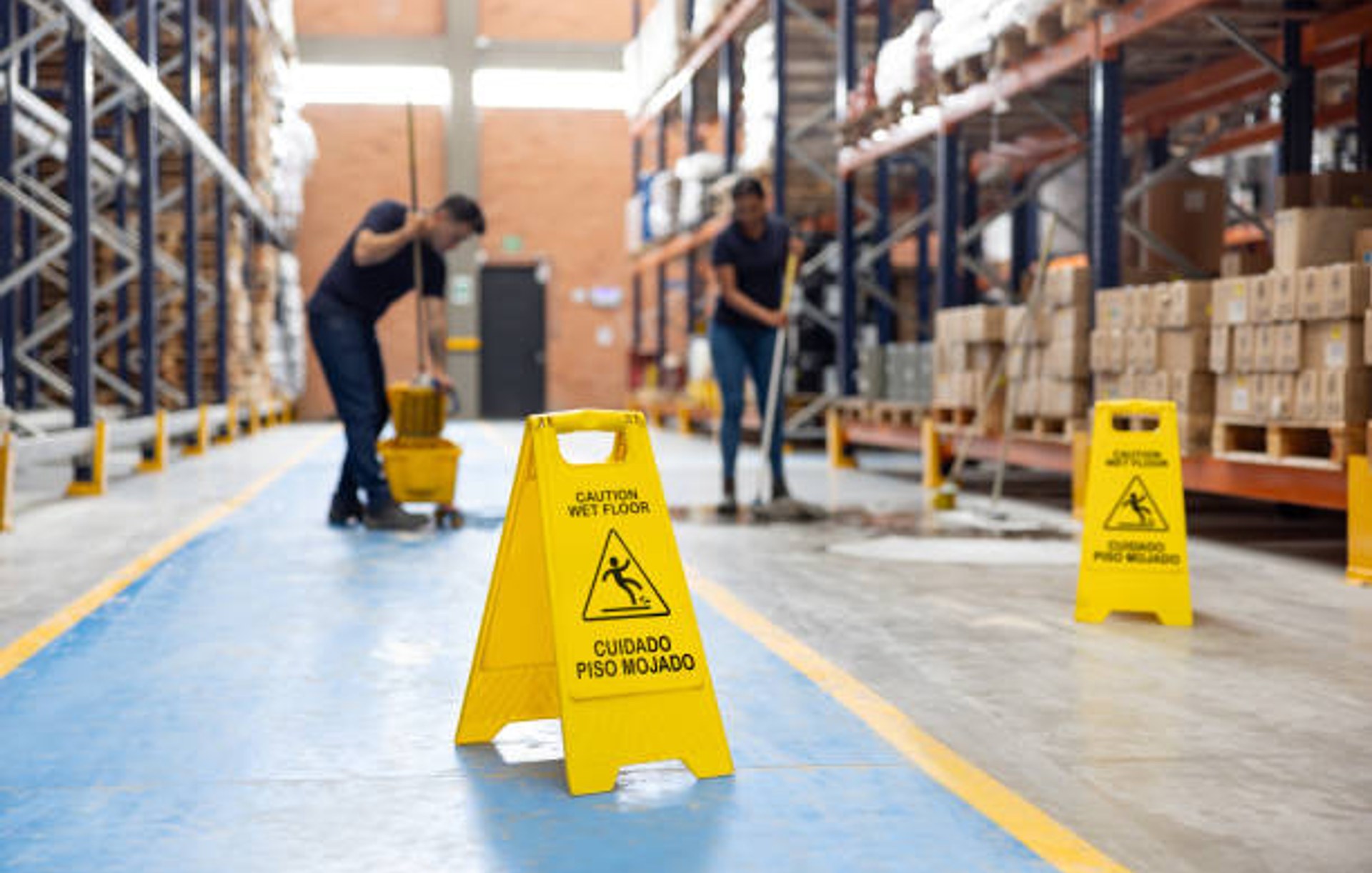
Workplace safety should always be a priority for warehouse owners and facility managers. Warehouses often have forklifts, pallet jacks, conveyor systems and heavy equipment operating throughout the day. Dust, liquid spills, loose packaging materials and debris can create dangerous conditions for employees.
Regular warehouse cleaning helps minimise these risks by keeping floors, walkways, loading docks and workstations clean and free from obstructions.
Professional cleaners can focus on:
- Removing dust and debris from warehouse floors.
- Cleaning spills to reduce slip hazards.
- Keeping pedestrian walkways clear.
- Removing packaging waste and loose materials.
- Maintaining clean loading and unloading areas.
- Cleaning frequently used workstations and shared spaces.
A consistently clean environment helps employees move safely around the facility while supporting better workplace safety practices.
2. Supports Better Inventory Protection and Product Quality
Warehouses store different types of products, including food items, retail goods, packaging materials, electronics and industrial supplies. Dust, moisture, pests and accumulated dirt can potentially damage stored inventory and affect product quality.
Regular cleaning helps businesses maintain suitable storage conditions and reduce the risk of contamination.
For example, dust accumulation around shelving, storage racks and ventilation systems can affect sensitive products. Similarly, neglected floors and waste collection areas may attract pests that could damage packaging or stored goods.
Professional cleaning routines can include:
- Cleaning storage shelves and accessible racking surfaces.
- Removing dust from corners and hard-to-reach areas.
- Maintaining clean storage and packing zones.
- Cleaning waste disposal areas.
- Monitoring areas where moisture or dirt can accumulate.
Businesses handling sensitive products should also establish cleaning procedures that reflect their specific storage and hygiene requirements.
3. Increases Employee Productivity and Operational Efficiency
A clean and organised warehouse allows employees to complete their daily responsibilities without unnecessary interruptions. When floors are cluttered, workstations are untidy or waste materials are left in operational areas, employees may spend additional time navigating obstacles and locating essential items.
Regular cleaning helps create a more organised workspace, allowing warehouse teams to focus on important activities such as picking, packing, stock management and dispatch.
A well-maintained warehouse can also improve communication and coordination between different departments.
Businesses that invest in professional Warehouse Cleaning Services can maintain consistent cleaning schedules without placing additional cleaning responsibilities on warehouse employees.
This allows staff to concentrate on their core duties while trained cleaning professionals take care of essential cleaning requirements.
4. Helps Maintain Warehouse Equipment and Infrastructure
Warehouse equipment and infrastructure require regular maintenance to operate efficiently. Dust and dirt can accumulate around machinery, conveyor belts, storage systems and other operational equipment.
If these areas are neglected, accumulated contaminants may contribute to equipment wear, ventilation issues and maintenance requirements.
Regular cleaning supports equipment maintenance by helping businesses:
- Remove dust from accessible machinery surfaces.
- Maintain clean equipment surroundings.
- Prevent debris from accumulating around moving equipment.
- Keep ventilation areas free from excessive dust.
- Maintain cleaner floors around operational machinery.
Cleaning should always follow equipment manufacturers' recommendations and workplace safety procedures. Electrical equipment and machinery should only be cleaned by appropriately trained personnel using approved methods.
By maintaining a clean working environment, warehouse operators can support their broader preventative maintenance programmes.
5. Creates a More Hygienic Working Environment
Warehouses experience constant movement of employees, delivery drivers, contractors and visitors. Shared facilities, break rooms, toilets, office spaces and frequently touched surfaces can accumulate dirt and germs throughout the working day.
Maintaining hygiene across these areas is important for employee comfort and workplace health.
A comprehensive cleaning programme should cover more than warehouse floors and storage areas. It should also include employee facilities and administrative spaces.
Important cleaning tasks include:
- Cleaning and disinfecting frequently touched surfaces.
- Maintaining hygienic toilets and washrooms.
- Cleaning staff kitchens and break rooms.
- Removing waste regularly.
- Maintaining clean office and reception areas.
- Cleaning shared equipment and workstations.
Businesses looking for broader facility maintenance can also consider Commercial Cleaning Services in Sydney to maintain consistent hygiene standards across their warehouses, offices and other commercial premises.
6. Improves Warehouse Organisation and Space Management
An organised warehouse makes it easier to manage inventory, move goods and complete daily operations. When rubbish, unused packaging and accumulated dust are left unattended, valuable floor space can become restricted.
Regular cleaning helps maintain clear access routes, organised storage areas and cleaner workstations.
This is particularly important for large distribution centres and warehouses where employees and machinery operate simultaneously.
Facility managers should establish cleaning schedules for different zones, including:
- Receiving and dispatch areas.
- Storage and shelving sections.
- Packing and labelling stations.
- Loading docks.
- Employee walkways.
- Waste management zones.
A planned approach helps ensure that cleaning activities do not interfere with important warehouse operations.
7. Helps Businesses Maintain Professional Standards
Warehouses are frequently visited by suppliers, customers, delivery partners, contractors and business representatives. A poorly maintained facility can create an unfavourable impression and raise concerns about operational management.
A clean warehouse demonstrates that a business takes workplace maintenance, hygiene and organisation seriously.
For businesses in Sydney's competitive logistics and commercial sectors, maintaining professional facility standards can contribute to stronger relationships with clients and business partners.
Working with an experienced cleaning provider such as Keen Cleaning Sydney can help businesses establish structured cleaning routines suited to their operational requirements.
8. Reduces Long-Term Cleaning and Maintenance Costs
Ignoring cleaning requirements may seem like a way to reduce immediate operating expenses, but accumulated dirt, neglected floors and poorly maintained facilities can lead to more demanding cleaning requirements over time.
Regular maintenance cleaning helps prevent excessive build-up and makes routine cleaning more manageable.
It can also support the condition of flooring, fixtures, storage areas and other facility components.
Businesses can manage cleaning expenses more effectively by:
- Establishing daily, weekly and monthly cleaning schedules.
- Identifying high-traffic areas that require frequent attention.
- Using appropriate cleaning products and equipment.
- Addressing spills and waste accumulation promptly.
- Scheduling periodic deep cleaning.
- Monitoring cleaning standards through regular inspections.
A planned cleaning programme helps facility managers allocate resources efficiently while maintaining consistent standards.
Choosing the Right Warehouse Cleaning Provider in Sydney
Selecting a suitable cleaning provider is an important decision for businesses that want reliable warehouse maintenance.
Not every warehouse has the same cleaning requirements. A small storage facility may need a different approach from a large distribution centre or manufacturing warehouse.
Before selecting a provider, business owners and facility managers should consider the following factors:
Industry Experience: Choose a provider familiar with commercial and industrial cleaning environments.
Flexible Scheduling: Cleaning should be arranged around operational hours to minimise disruption to warehouse activities.
Trained Cleaning Staff: Ensure cleaning personnel understand workplace safety requirements and appropriate cleaning procedures.
Suitable Equipment and Products: Different warehouse surfaces and environments require suitable cleaning methods and products.
Customised Cleaning Plans: A professional provider should be able to develop a cleaning schedule based on facility size, usage and specific requirements.
Businesses operating across Sydney, including Parramatta, Blacktown, Liverpool, Penrith and surrounding commercial areas, should look for cleaning solutions that can accommodate their location and operational needs.
Keen Cleaning Sydney provides commercial cleaning solutions designed to support businesses in maintaining clean, hygienic and well-managed facilities.
Conclusion
Regular warehouse cleaning is an essential part of efficient warehouse management. From improving workplace safety and protecting inventory to supporting employee productivity and maintaining equipment, consistent cleaning contributes to smoother daily operations.
For Sydney businesses, a structured cleaning programme can help maintain professional standards, reduce unnecessary workplace hazards and create a healthier environment for employees and visitors.
Investing in reliable Warehouse Cleaning Services in Sydney allows business owners and facility managers to focus on their core operations while ensuring their facilities receive the attention they require. With the right cleaning schedule and professional support, warehouses can remain cleaner, safer and more efficient throughout the year.
Frequently Asked Questions (FAQs)
1. How often should a warehouse be professionally cleaned?
The frequency depends on warehouse size, foot traffic, operational activities and the type of products stored. High-traffic warehouses may require daily cleaning, while deep cleaning can be scheduled weekly, monthly or according to specific operational requirements.
2. What areas should be included in a warehouse cleaning programme?
A warehouse cleaning programme should cover floors, storage areas, shelving, loading docks, walkways, packing stations, staff facilities, toilets and waste disposal areas. Equipment surroundings and other high-use spaces should also receive appropriate attention.
3. Why should businesses hire professional warehouse cleaners?
Professional cleaners have the experience, equipment and cleaning knowledge required to maintain large commercial spaces. Outsourcing cleaning also allows warehouse employees to concentrate on their operational responsibilities.
4. Can warehouse cleaning be scheduled outside business hours?
Yes. Cleaning schedules can often be arranged during evenings, overnight periods or weekends, depending on the provider's availability and the facility's operating requirements. This helps minimise disruption to warehouse activities.
5. Do warehouse cleaning services include office and staff areas?
Many cleaning providers offer customised packages that include warehouse floors, office spaces, toilets, kitchens, break rooms and other shared facilities. Businesses should confirm their specific requirements when arranging a cleaning programme.